Are Coconut Bowls Safe for Food? Everything You Need to Know
Coconut bowls have become a popular choice for eco-friendly kitchens, sustainable living, and natural food presentation. Their organic texture and unique handmade look make them appealing for everyday meals, but many people still ask the same question: Are coconut bowls safe for food?
The short answer is yes — coconut bowls are generally safe for food when used properly. In this guide, we’ll explain what coconut bowls are made from, how to use them safely, how to clean them, and why they are a practical alternative for eco-conscious homes.
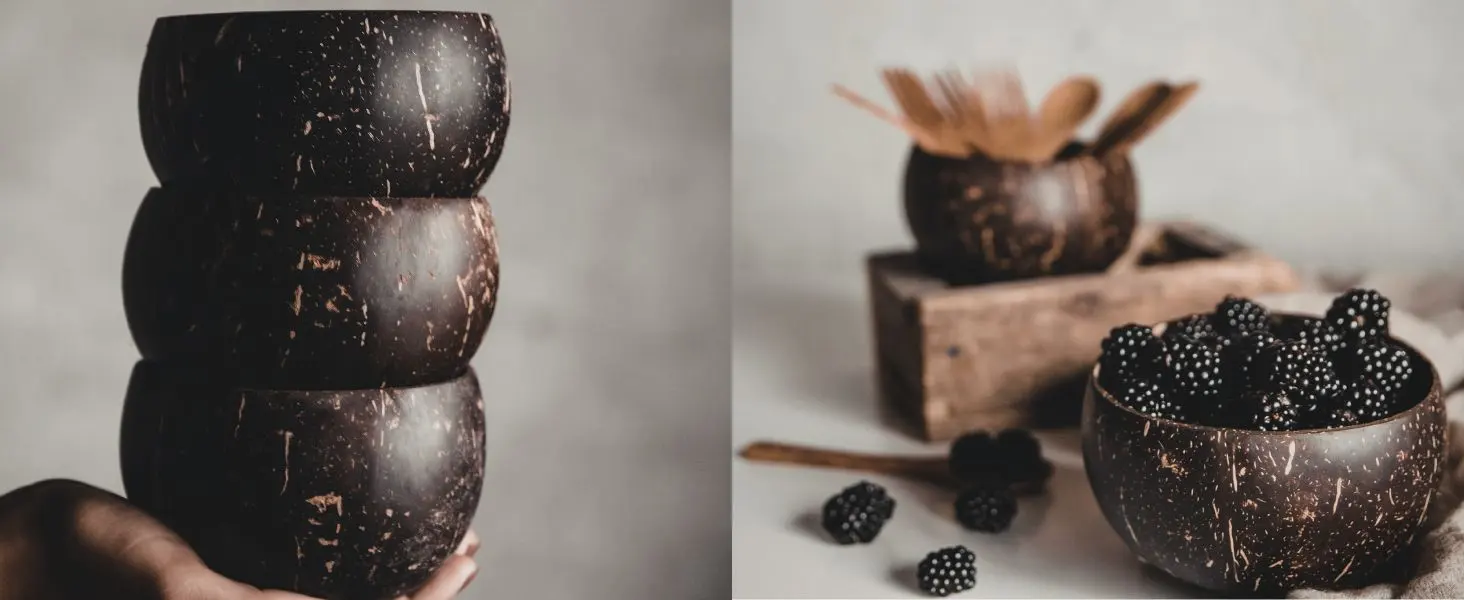
What Are Coconut Bowls Made From?
Coconut bowls are made from real coconut shells that are cleaned, polished, and repurposed into functional bowls. Instead of being discarded as waste, the shell is transformed into a natural serving bowl that works beautifully for both food and home styling.
Because they come from a natural material, every coconut bowl has its own shape, texture, and color variation. This makes each piece feel more personal and unique compared to mass-produced bowls made from plastic or synthetic materials.
Are Coconut Bowls Safe for Food?
Yes, coconut bowls are safe for serving many types of food, especially dry foods, room-temperature dishes, and lightly warm meals. They are commonly used for salads, fruit, rice, snacks, noodles, smoothie bowls, and desserts.
If you’re looking for a versatile option for both food serving and styling, a natural coconut bowl like this one can work well as a practical kitchen piece while also adding a warm, earthy touch to your space.
What Foods Work Best in Coconut Bowls?
Coconut bowls are best for foods that do not require extreme heat. They work especially well for salads, smoothie bowls, and snacks. Beyond serving food, these bowls are incredibly versatile; you can discover more creative ways to use coconut bowls for home decor and everyday styling here.
- Fresh salads and grain bowls
- Fruit, snacks, and desserts
- Rice dishes and noodles
- Smoothie bowls and breakfast servings
- Dry foods and decorative table serving
What Should You Avoid?
To keep a coconut bowl in good condition, there are a few things you should avoid. Coconut shells are durable for everyday use, but they are still a natural material and should be treated more gently than ceramic or metal.
- Do not use in the microwave
- Do not put in the dishwasher
- Avoid boiling-hot soups or very hot liquids
- Do not soak in water for long periods
How to Clean Coconut Bowls Safely
Cleaning a coconut bowl is simple. Wash it gently by hand using mild soap and lukewarm water, then dry it immediately with a soft cloth. This helps preserve the natural surface and prevents moisture from sitting in the shell for too long.
Why Coconut Bowls Are a Good Eco-Friendly Choice
One reason coconut bowls have gained popularity is that they support a more eco-friendly lifestyle. By reusing coconut shells that might otherwise be discarded, these bowls help reduce waste while offering a natural alternative to plastic-based kitchenware. Understanding the broader benefits of using coconut bowls for sustainable living can help you see why this simple swap is so impactful.
Final Thoughts
So, are coconut bowls safe for food? Yes — when used and cared for properly, they are a safe, practical, and eco-friendly option for everyday meals, snacks, and natural food styling.
If you want a bowl that feels more unique than standard kitchenware and also supports sustainable living, a handmade coconut bowl can be a beautiful addition to your kitchen or home.

Comments
Post a Comment